More Information

Apply
Now

Feel Free To Call

056 259 0000

Our Admission Form

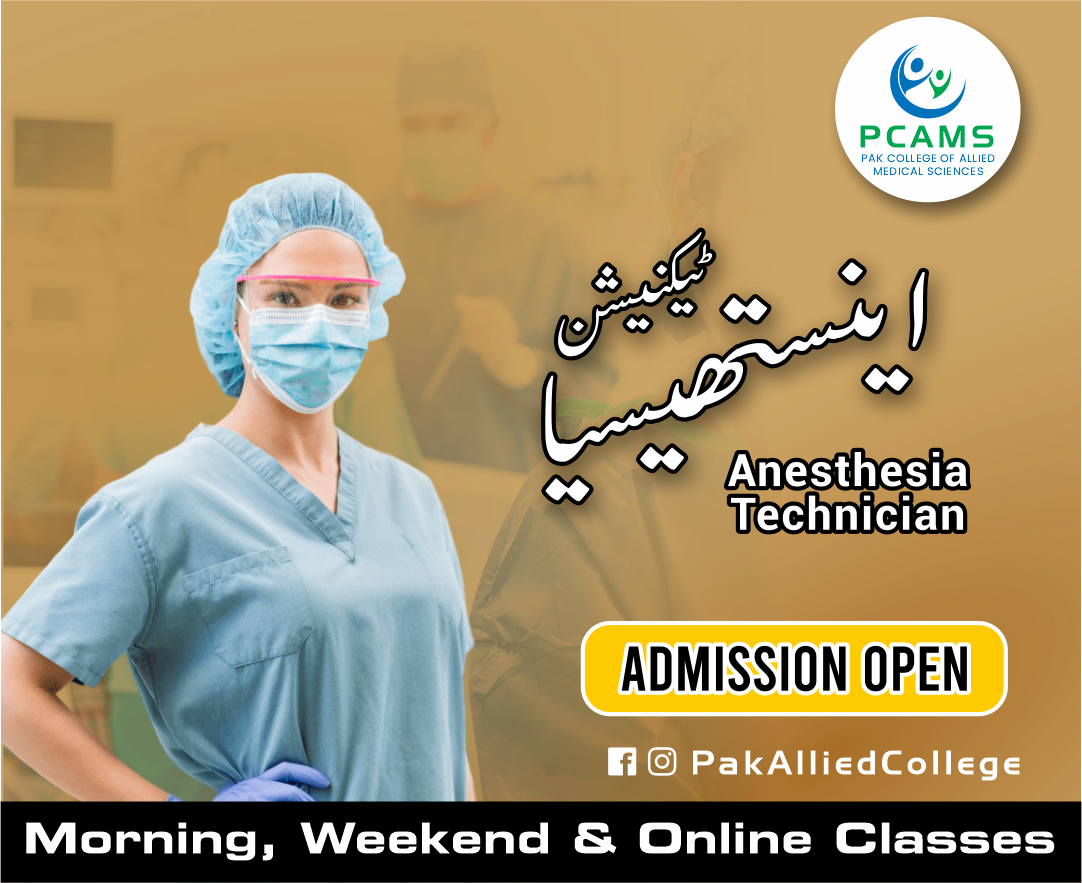
An Anesthesia Technician diploma program is designed to prepare individuals to assist anesthesiologists and nurse anesthetists in administering anesthesia. These technicians play a critical role in ensuring that anesthesia equipment is functioning correctly and that patients are monitored effectively during surgical procedures.

Key Components of an Anesthesia Technician Diploma Program:

  1. Core Subjects:
    • Anatomy and Physiology: Understanding the human body, particularly the cardiovascular, respiratory, and nervous systems.
    • Pharmacology: Knowledge of drugs used in anesthesia, including their effects, dosages, and side effects.
    • Medical Terminology: Familiarity with the terminology used in healthcare settings.
    • Anesthesia Equipment: Training on the setup, operation, and maintenance of anesthesia machines and related equipment.
  2. Practical Training:
    • Clinical Skills: Hands-on training in preparing patients for anesthesia, assisting with anesthesia administration, and monitoring patients during and after procedures.
    • Simulation Labs: Use of simulated environments to practice emergency response and routine anesthesia procedures.
    • Internships/Externships: Real-world experience in hospitals or surgical centers under the supervision of experienced professionals.
  3. Professional Skills:
    • Attention to Detail: Precision in setting up equipment and monitoring patient vitals.
    • Communication: Effective communication with anesthesiologists, surgeons, nurses, and patients.
    • Critical Thinking: Ability to quickly and effectively respond to emergency situations.
  4. Certification and Licensing:
    • Certification Exam: Preparation for certification exams, such as the Certified Anesthesia Technician (Cer.A.T.) offered by the American Society of Anesthesia Technologists and Technicians (ASATT).
    • Continuing Education: Understanding the importance of ongoing education to maintain certification and stay current with advancements in the field.

Benefits of an Anesthesia Technician Diploma:

Career Opportunities: Work in hospitals, outpatient surgery centers, dental offices, and other medical facilities.
Job Satisfaction: Playing a vital role in patient care and surgical success.
Professional Growth: Opportunities for specialization and advancement within the field of anesthesia technology.


Program Duration and Prerequisites:

Duration: Typically ranges from 1 to 2 years, depending on the program and whether it is full-time or part-time.
Prerequisites: Generally requires a high school diploma or equivalent. Some programs may also require prior healthcare experience or courses in biology, chemistry, and mathematics.

Potential Career Paths:

Anesthesia Technician: Assisting anesthesiologists and nurse anesthetists with anesthesia administration.
Anesthesia Technologist: With further education and experience, advancing to a higher level of responsibility in the anesthesia department.
Surgical Technologist: Transitioning to roles that support surgical teams more broadly.